ClickCease

How much does it cost to run an air conditioner in the UK?

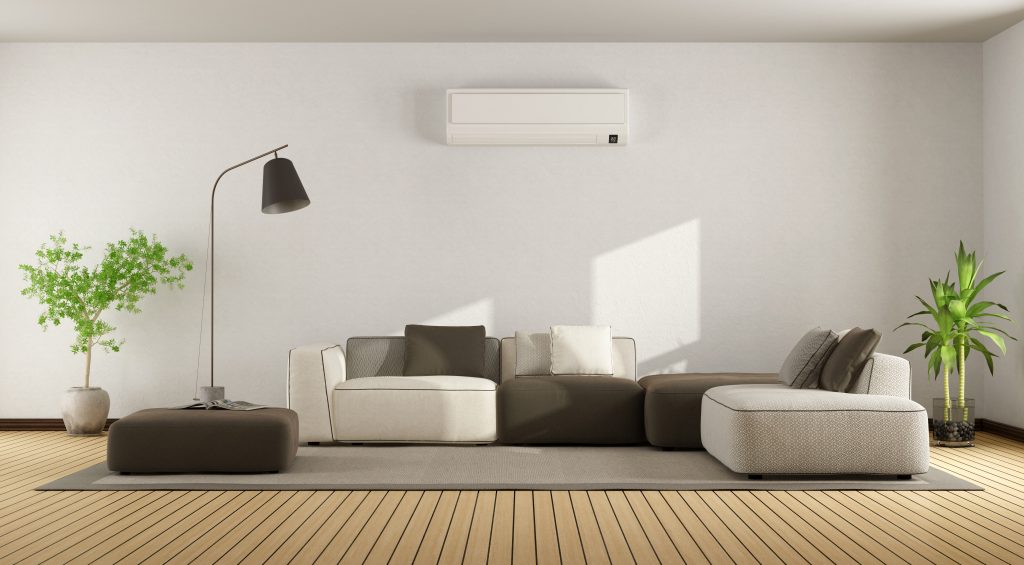
Modern living room with a wall mounted air conditioning unit installed above a sofa, illustrating the cost of home air conditioning by Evergreen..

Wondering how much it costs to run an air conditioner in the UK? This guide explains average running costs, what affects them, and how to keep your energy bills low.

Air conditioning was once seen as a luxury only the wealthy could afford. However, in recent years, it has become an affordable option for many homeowners.

Advances in technology and design have reduced installation and running costs. As a result, air conditioning has become increasingly popular in the UK. Following several hot summers, demand has reached record levels.

Checkout our quote calculator here!

How much does an air conditioner cost to run?

With energy prices on the rise, this is one of the most common questions we receive. Unfortunately, there isn’t a single answer. The cost of running an air conditioner depends on several factors including system size, energy rating, and how long it runs each day. We’ve broken down these key factors in more detail below.

How much power does an air conditioner use?

Power usage varies between manufacturers and system types.

For the most accurate figure, check with our installation engineer or the electrician who provided your power connection.They can confirm the recommended fuse size and maximum energy draw for your unit.

What factors will affect running costs?

The cost of running an air conditioner depends on its type, size, and usage. When we say size, we’re referring to its cooling output, not its physical dimensions. Generally, the longer your system runs, the higher your electricity bills will be.

Modern air conditioners are designed to be energy efficient, but usage still plays a big part. In today’s environmentally conscious world, being mindful of energy use is more important than ever, both for your wallet and the planet.

Insulation…

Most people think of insulation as something that keeps heat in during the winter. But good insulation also does a great job of keeping the summer heat out. If your home is well insulated, your air conditioner won’t need to run as often or work as hard to maintain a comfortable temperature. This helps reduce energy use and lowers your running costs.

So whether you’re cooling your home in summer or heating it in winter, ensuring your property is well insulated is one of the best ways to improve efficiency and save money.

Have regular service and maintenance …

An engineer servicing an air conditioning unit.

Regular servicing helps your air conditioning system run efficiently and last longer. It can also reduce running costs and help keep your energy bills lower.

Most domestic systems should be serviced once a year, while commercial systems usually need two visits per year. An engineer will carry out a full inspection, spot early signs of wear or faults, and repair or replace parts before they cause bigger issues. This prevents costly breakdowns and ensures your air conditioner performs at its best all year round.

In case of an air conditioning emergency click here for a callout.

Installation Costs vs Running Costs

It can be tempting to choose the cheapest air conditioner, but this often leads to higher long-term costs. Cheaper systems are usually less efficient and can be more expensive to run. Inverter air conditioners are a smarter investment. They use a variable-speed compressor that adjusts automatically to maintain the ideal temperature. Because they don’t constantly power on and off like older systems, they waste less energy. Although inverter systems cost more to install, they’re far more efficient, reliable, and durable, making them a better long-term choice.

Consider unit size …

Getting the right unit size is key to keeping your running costs low. A unit that’s too small will struggle to heat or cool your space efficiently. On the other hand, an oversized unit will waste energy and be more expensive to run and maintain. Choosing the correct size system ensures optimal performance and efficiency, helping you save money over time.

Take Control of Your Air Conditioning System

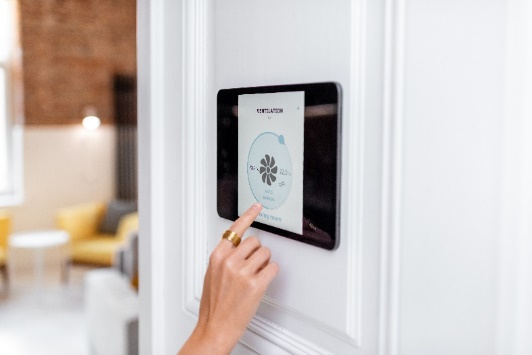
Person adjusting a smart air conditioning control panel, monitoring energy efficiency and running costs.

Get to know your air conditioner’s energy-saving features. A well controlled system can reduce your running costs and improve efficiency. Take a few minutes to read your user manual and explore the settings available.

Modern air conditioning units often include Wi-Fi connectivity, allowing you to adjust temperatures through a smartphone app or by voice control using Alexa or Google Home. These smart features make it easy to customise your heating and cooling schedule, monitor your energy use, and ensure your system only runs when needed, helping you stay comfortable while saving energy.

Choose the right air conditioner for your needs ….

Selecting the right air conditioning system makes all the difference in comfort and efficiency.

Whether you need cooling for a single room or a complete climate control solution for your entire property, we have a wide range of energy-efficient systems to suit every space and budget. Our expert team can guide you in choosing the perfect unit for your home or business.

👉 Request a quote today to find the best option for your needs.

Review your energy supplier…

Shop around to make sure you are getting the best deal. With prices set to rise, there has never been a better time to review your bills and ensure you are with the right supplier.

Electric bill showing monthly energy charges, illustrating the cost of running an air conditioner.

RUNNING COSTS FAQ’S

How can I reduce the running cost of my air conditioner?

As covered above, there are a few key ways to keep running costs down:

  • Make sure your home or building is properly insulated.

  • Schedule regular servicing and maintenance.

  • Consider upgrading to a more energy-efficient system.

  • Ensure your unit is the correct size for the space.

  • Use your controls and settings efficiently to avoid unnecessary use.

Taking these steps will help your system run smoothly and keep your energy bills down.

How can I reduce my carbon footprint from my AC system?

There are several simple ways to make your air conditioning system more eco-friendly. By maintaining your unit regularly and using it efficiently, you can lower your energy use and, in turn, reduce your carbon footprint.To learn more about how air conditioning affects the environment and how you can make your system more sustainable – click here.

How can I monitor the running costs of my air conditioning system?

Most modern air conditioning systems can connect to your home Wi-Fi network, allowing you to easily monitor and manage your energy use. You can adjust your thermostat, set temperature schedules, and track your energy consumption through the manufacturer’s app. Alternatively, integrate your system with Alexa or Google Home for convenient voice control and live energy updates.

Is air conditioning expensive to run?

Air conditioning doesn’t have to be expensive to run, it all depends on how efficient your system is and how it’s maintained. Poor insulation, an incorrectly sized system, or a lack of regular servicing can increase running costs.However, when properly installed and maintained, air conditioning is one of the most energy-efficient ways to both heat and cool your home.

To keep your energy bills low and your system running at its best, book a service or maintenance visit with our expert engineers today.

Contact Evergreen Air Conditioning for advice, tailored quotes, and reliable support across Hertfordshire, Essex, London, and surrounding areas.

Is Air Conditioning Bad For The Environment?

Many homeowners worry that installing air conditioning could harm the environment. In reality, modern AC systems, especially heat pumps are one of the most efficient, low-carbon ways to heat and cool your home. In this guide, we explain how air conditioning impacts the environment, how climate change affects all of us, and what you can do to reduce your carbon footprint.

Why is Climate Change Such a Hot Topic?

G6pEj6xRXaUqnr2JvACB AdobeStock 267049507

Climate change is one of the biggest global threats we face today. Without action, we will see more extreme weather, rising sea levels, severe droughts and continued loss of wildlife. Global warming is already impacting how we live, and the effects will only worsen over the next few decades.

Human activity is the main cause of climate change. Every choice we make, from the transport we use to the energy that powers our homes affects the planet. To protect our future, we need to reduce greenhouse gas emissions and move towards more sustainable, low carbon living.

What Can I Do To Help Reduce Global Warming?

AdobeStock 30819528 1

Small changes made by millions of people can make a huge difference. Simple actions like reducing plastic use, cycling instead of driving, or eating less meat all help lower emissions.

However, one of the biggest changes you can make is switching to cleaner energy! Around a quarter of all man made greenhouse gas emissions come from burning fossil fuels for heat and electricity. By choosing a low carbon heating system, such as a heat pump, or an air conditioning unit, you reduce your household emissions and save money on energy bills, especially as energy prices continue to increase.

Is Air Conditioning Bad For The Environment?

SgGhwd1h0tOqtZnZtvoH AdobeStock 262609226

Modern air conditioners (heat pumps) are highly efficient and low carbon. Although they use electricity, they produce far more heating or cooling output than the electricity they consume. This makes them significantly more efficient than gas boilers or electric radiators.

You can reduce your carbon footprint even further by choosing a supplier that provides 100% renewable electricity.

Modern AC units also use updated refrigerants with much lower environmental impact. Today’s refrigerants work at higher pressures and deliver better performance, which means the system uses less energy overall.

The UK government aims to reach net-zero emissions by 2050, which includes phasing out fossil fuel heating

w1cHvdp7Y373SMlDIjcC AdobeStock 182535341

Heat pumps and air conditioners will play a major role in the transition to cleaner, greener energy. Right now, the government even offers 0% VAT on installation because they support these systems as a sustainable solution.
👉🏼 Request a quote today!

Do Air Conditioners Release Harmful Gas?

fume

All air conditioners contain refrigerant, but modern refrigerants are far more environmentally friendly than older gases. Due to strict F-Gas Regulations, manufacturers have invested heavily in safer, more efficient alternatives.

One of the best examples is R32 refrigerant, which has a global warming potential around two-thirds lower than older refrigerants. It is also easier to reuse, recycle and install. This proves that the AC industry is committed to reducing environmental impact.

Do Air Conditioners Release CO2?

WKGNTrAPogX4FbAHT44A AdobeStock 65305815

No! The units themselves do not emit CO₂. However, they use electricity, and if your electricity comes from fossil fuels, the energy supplier will generate CO₂ during production.

You can avoid this by switching to a renewable energy provider, which completely removes this indirect CO₂ impact. The UK must legally generate 100% renewable electricity by 2050, so this will improve every year.

Do I Need To Have My Air Conditioning Serviced?

clim

Yes. A yearly service by a qualified engineer keeps your system running efficiently. This reduces energy use, cuts your running costs and lowers your environmental impact. Regular servicing also helps prevent refrigerant leaks and keeps performance consistent. We offer maintenance and service plans tailored to you!

Which Air Conditioners Are The Most Environmentally Friendly?

When choosing an eco-friendly air conditioner, look for:

  • R32 refrigerant

  • A+++ or A++ energy ratings (especially on smaller units)

  • Smart sensors that switch off when the room is empty

  • WiFi control, allowing precise temperature management

Need advice? Get in touch with our expert team who will be able to recommend the perfect system for you.

Mitsubishi Electric Air Conditioning Wall Mounted in Lobby 5

Mitsubishi MSZ-LN Mitsubishi MSZ-LN R32 Inverter Heat Pump

A*** energy rating (smaller models). Features i-save mode to reduce power consumption, 3D i-see sensor which switches the unit off when room is empty. R32 refrigerant. Built in WIFI interface.

Daikin Black Stylish

Daikin ‘Stylish’ range

A*** energy rating (smaller models), smart sensors, high efficiency, the ‘coanda’ effect, compact design. R32 refrigerant.

Etherea 2

Panasonic Etherea with nanoe™ X technology

A*** energy rating (smaller models). low energy cost and consumption. R32 refrigerant. Advanced control options, stylish design, and intelligent features.

fujitsu 2

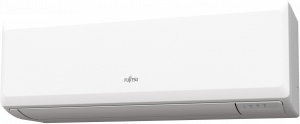
Fujitsu Eco range

A** energy rating, Outstanding energy efficiency is achieved by using a high-efficiency lamda heat exchanger, large crossflow fan and R32 refrigerant. Smart device control (optional). Low ambient operation.

Evergreen provide AC services to suit all budgets and needs. For expert advice on installation, maintenance, or emergency repair of an AC system, please contact our specialist team who will be happy to help!

Are modern air conditioners environmentally friendly?

Yes. Modern air conditioners use low-impact refrigerants like R32 and are far more energy-efficient than older systems. When combined with renewable electricity, they become a low-carbon cooling and heating solution.

Do air conditioners increase my carbon footprint?

Only indirectly. AC units use electricity, so your environmental impact depends on your energy supplier! Switching to a renewable energy provider drastically reduces your carbon footprint. AC units use less energy than your central heating but regulate the temperature in your home much faster.

What refrigerant is best for the environment?

R32 refrigerant is currently the most environmentally friendly option widely used in UK domestic AC systems. It has a much lower global warming potential compared to older gases and is easier to recycle.

Is a heat pump better for the environment than a gas boiler?

Yes. Heat pumps use far less energy and produce significantly fewer carbon emissions than gas boilers. They are also part of the UK’s long-term plan to reach net-zero emissions by 2050.

How often should I service my air conditioner?

Once a year. Annual maintenance keeps the system efficient, reduces energy use, lowers running costs and ensures refrigerant levels remain safe and leak-free.

Are air conditioners expensive to run?

Modern AC units are very energy efficient. Many homeowners find that heat pumps cost less to run than electric heaters or older gas boilers, especially in well insulated homes.

Can air conditioning help reduce my energy bills?

Yes. Because heat pumps produce more heating or cooling energy than the electricity they consume, they can be cheaper to run compared to traditional systems.

Will installing air conditioning add value to my home?

In many areas, yes! As the UK moves towards low-carbon heating, homes with efficient air conditioning/heat pump systems are becoming more desirable and future proof.

Is air conditioning suitable for older UK homes?

Absolutely. Modern systems are compact, quiet and designed for both new builds and older properties. A specialist installer can recommend the best system based on your insulation, room sizes and needs.

0% VAT for Domestic Air Conditioning Systems

AdobeStock 183726574 1

Chancellor scraps the VAT on heat pumps…

Exciting news emerges for the AC industry as the 2022 Chancellor’s Spring Statement reveals that homeowners who have energy saving building solutions installed in their homes, such as heat pumps, no longer need to pay VAT.

The changes will take effect from April 2022 and will last five years, providing benefit to both homeowners and contractors in the industry.

If you’re looking for home air conditioning, 0% VAT means there has never been a better time.

Predicted increase in demand…

With the current hot topic of rising energy prices, and the government’s zero emissions goal for 2050, we predict that this will boost the market for energy saving, low carbon heat pumps that not only offer a viable, cost effective and sustainable heating solution during the winter months but can also provide welcome relief from the soaring summer temperatures.

With low running costs and high efficiency, the purchase of an AC system to heat and cool your home, is a decision that is easy on your pocket and on the planet, as we all have a part to play in helping to reach the UK’s climate goals.

AdobeStock 30819528

The rules on installation on energy saving materials…

The rules of qualifying installations have also been simplified considerably alongside the cuts. In the past, systems used to cool were not eligible for the reduced rate. Now, as long as the system can provide heating in addition to cooling to a domestic property, it is eligible for the scheme.

Prior to April 1st 2022, there was a ‘60% test’ in place which has also been abolished. The ‘60% test’ was implemented by HMRC. This would limit the reduced VAT rate where materials exceeded 60% of the total cost charged to the customer.

Resellers of air conditioning units without the installation service must continue to charge 20% VAT.

The scheme does not apply to portable systems and is set to run from April 2022 to March 2027.

You can read the full notice on the government website here.

Are air conditioning systems classed as heat pumps? …

Most air conditioning systems are considered as heat pumps due to the fact they can provide heating and cooling. Otherwise known as air-to-air heat pumps. Modern day gasses (R410a and more recently R22) have higher pressure and produce more heating power. Modern day technology means that air conditioning heating is now extremely efficient. Read more on how air conditioning works here.

What are ESMs?

ESMs is simply an abbreviation of Energy Saving Materials. Energy saving materials are products and/or systems that use as little electricity, gas, etc. as possible, or help to reduce their use. They lower the impact we have on our environment, which is why the government is providing incentives for us to install them. ESM’s come in different forms but they can be divided into groups as follows:

  • Controls for central heating and hot water systems
  • Draught stripping
    Insulation
  • Solar panels
  • Ground source heat pumps
  • Air source heat pumps

The government has recently introduced a zero rate for installation on the following ESMs…

  • Controls for central heating and hot water systems
  • Draught stripping
  • Insulation
  • Solar panels
  • Ground source heat pumps
  • Air source heat pumps
  • Micro combined heat and power units
  • Wood-fuelled boilers
  • Wind turbines
  • Water turbines

Why has 0% VAT for air conditioning installation been introduced?

The government has plans to drastically reduce domestic carbon emissions and this is all part of the wider net zero objective that we have already discussed. They have scrapped the previous complicated VAT rate scheme on certain specified energy saving materials, replaced it with a zero rate of VAT. 

 It is anticipated this money saving move will incentivise homeowners to take-up ESMs such as heat pumps (and this includes most air conditioners).

Can I get a grant to install air conditioning?

The government has introduced grants to encourage homeowners to install low carbon heating systems such as heat pumps, including most air conditioners, through the Boiler Upgrade Scheme (BUS). This scheme will “help property owners overcome the upfront cost of low carbon heating technologies”. This only applies to installations after April 2022.


To find out if your installation meets the criteria for a BUS grant there is more information on the GOV.UK website.

Where to go for AC advice ...

There are many different options to choose from, so it is important that you contact a specialist installer, who can advise you on which type and brand of air conditioner is best for your individual requirements and budget.

Evergreen provide AC services to suit all budgets and applications. For expert advice on installation, maintenance, or emergency repair of an AC system in your home please contact our specialist team.

Do I need planning permission for air conditioning?

One of the most common questions asked by consumers when considering air con for their home is if they need planning permission.

In this article we will walk you through the current legislation and regulations to ensure you are compliant when you have your air conditioner installed. 

What is planning permission?

Air Conditioning installation by evergreen air conditioning

Simply put, applying for Planning Permission, is putting in a request to the authorities to see whether you can legally carry out building works, or alterations, to your property.

Once your application has been reviewed by your local planning authority It will be granted (perhaps subject to certain conditions) or refused.

It is essential that you do not carry out any works until you have secured planning permission, or have established that you do not need it, otherwise you could be served with an Enforcement Notice with is a legal order to undo any changes you have made to your property.

Do you need planning permission to install domestic air conditioning?

AdobeStock 147954155

In most instances, as long as you adhere to the permitted development regulations, it is not a requirement in domestic settings unless you are installing in one of the following areas …

If you have any doubt about your legal position with regards to installing an air conditioning system to your property we would advise you to contact your Local Planning Authority.

In most instances, as long as you adhere to the permitted development regulations, it is not a requirement in domestic settings unless you are installing in one of the following areas …


If you have any doubt about your legal position with regards to installing an air conditioning system to your property we would advise you to contact your Local Planning Authority.

What about air conditioning for Listed Buildings or in Conservation Areas?

AdobeStock 475468458

A Listed Building will need Listed Building Consent and a property within a Conservation Area will need planning permission before being able to the install an air conditioner. This is a legal requirement. 

There are often restrictions in place when it comes to alterations that are likely to affect the character or fabric of a Listed Building, or spoil the appearance of a Conservation Area, and this can mean in some cases that a traditional external condenser unit cannot be installed. 

It is worth bearing in mind that planning requests can take anywhere from 6-14 weeks (in some cases longer) to be processed, so be sure to get your application in during the colder months if you want your air conditioner to be up and running in the Summer. 

Your specialist installer would be happy to discuss different options with you so that your application is likely to be looked upon favourably by your local authority.

What are the air conditioning installation guidelines I should be aware of?

AdobeStock 69920355

There are some important regulations that need to be adhered to when you are deciding where to install your air conditioner. As we mentioned earlier, failure to comply with guidelines and regulations could lead to you being forced to undo any changes you have made to your property. 

Noise

Modern technology means that the noise created by external units are minimal. However, you should still be considerate towards neighbours and surroundings.

Legislation says that air conditioning units must not exceed 5 decibels above the ambient background noise level measured at any property boundary at peak hours. 

Complaints from neighbours and members of the public may result in your unit having to be removed. You may wish to consider some sound proofing such as fences and hedges to keep noise disturbance to a minimum. 

Space and boundaries

Always ensure your outdoor AC unit is installed more than a metre away from any property boundaries. It must not be positioned within metre of the edge of a flat roof. 

Size

The volume of the external unit must not exceed 0.6m³

Roof installation

It is advised not install your outdoor unit on a pitched roof, otherwise you may have to consult your local council. 

Wind Turbines

No wind turbines to be located on the same building or within the curtilage of the building where the AC system is to be installed. (The curtilage of a building or house is the land immediately surrounding it, including closely associated buildings.)

What other air conditioning regulations do I need to be aware of?

If you’re having an air con system fitted in your home, it is very unlikely that you’ll need to file a planning application or worry about legislation (unless your property is listed or located in the restricted areas mentioned above). Your installer should be equipped with this knowledge and highlight anything you need to consider. 

Commercial buildings are separate when it comes to regulations, and there are certain requirements which must be adhered to, to ensure you are within government guidelines:

  • F-Gas 

Records must be kept by the building owners/occupiers and systems must be regularly maintained 

  • EPC 

By law, all commercial buildings that have over 500m2 if habitable space must hold an energy performance certificate 

  • TM44 

All commercial building owner/occupiers that have an AC system must undergo regular inspections by accredited professionals to ensure their system(s) are running efficiently. 

Where do I go for advice?

If you are still unsure whether you need to submit a planning application to install an AC system to your property it would be worth contacting your local authority for advice to ensure you are fully compliant. 

It is also worth enlisting the help of an AC contractor that is knowledgeable and experienced. Get in touch with our specialist team at Evergreen, we are on hand to offer free advice on any aspect of AC installation.

How Much Does an Air Conditioning Service Cost?

(Based on UK market averages)

wondering about an air conditioning service cost? The regular servicing of your air conditioning system will increase its efficiency and lifespan, reduce running costs, and help to keep your energy bills low.

There are several different types of installation, ranging from single split systems to complex VRF or VRV, and each have their individual service requirements.

Here we discuss the different service costs attributed to each type of installation and answer the most asked frequently asked questions on air conditioning service and maintenance.

Domestic air conditioners service costs…

AdobeStock 227894007

These are commonly split or multi-split type systems.  Most air conditioning companies will charge the same for all varieties of units. As a rule of thumb, a domestic air conditioning unit should be serviced once a year and will cost anywhere between £70-£120 per indoor unit. We offer price packages tailored to your needs.

Commercial air conditioners call-outs…

TCBEHVDBs7wz0NJVqovM Services or Commercial

These are commonly VRV or VRF type systems. Our expert engineers are available for call-outs whenever you need us – whether it’s during working hours, after hours, or on weekends. We pride ourselves on providing a fast, reliable response to keep your air conditioning systems running smoothly with minimal disruption.

Planned Maintenance for Complete Peace of Mind

520436188 huge

Regular air conditioning maintenance is essential to keep your system performing efficiently and prevent unexpected breakdowns. At Evergreen, we offer tailored planned maintenance packages designed around your specific needs. Our engineers ensure your systems are inspected, cleaned, and serviced on schedule, helping you save energy and extend equipment lifespan, all with transparent agreements and reliable service you can trust.

What is factored into the cost of my air conditioning service and maintenance?

shutterstock 538414810

When you request a quotation for air conditioning servicing or maintenance, several key elements are taken into account to ensure accurate pricing and a thorough service. These include:


  • Labour and engineer time – for inspection, cleaning, and testing.

  • Travel and site access – depending on your property’s location and setup.

  • Refrigerant checks and re-gassing – ensuring your system runs efficiently.

  • Replacement parts – if any worn or damaged components need attention.

  • System pressure testing – using OFN to confirm your system is leak-free and safe.

  • Reclaim cylinders – for safely collecting and disposing of refrigerant no longer required.


At Evergreen, every quote is transparent and tailored to your specific system, so you always know exactly what’s included and why.

How much does it cost to repair an air conditioning unit?

KTzH0oDE6f064yrPmvOJ 1

Repair costs can vary depending on the type of system, the nature of the fault, and the parts required. Below are some typical price ranges to give you a general idea of what to expect.

All prices include both parts and labour.

Indoor PCB between £300-£1000

Solenoid valves between £200-£800

Thermostat between £100-£250

Outdoor PCB between £300-£2000 dependant on the size of the system and manufacturer. 

Fan motor between £200-£500

Leaks between £300-£2000 (may require re-gassing and pressure testing)

Compressor between £1000-5000 for commercial systems, or £1,000 – £2,000 for domestic units

These are indicative figures only, your final cost will depend on the fault, system type, and accessibility. At Evergreen, we always provide clear, itemised quotes before any work begins, ensuring there are no surprises and your system is restored to full efficiency as quickly as possible.

Air conditioning servicing and maintenance FAQ’s …

Here we answer some of the most frequently asked questions, however if you have any additional questions or concerns your expert AC installer will be happy to help you.

How often should I have my air conditioner serviced?

Domestic: Minimum once a year

Commercial: Minimum twice a year

F-Gas legislation states that if a building has over 500 tonnes of gas, then you must have a professional service carried out at least four times a year. For anything under that, most contractors would recommend a routine service at least twice a year. 

How do I clean my air conditioner?

You may be able to carry out a basic clean yourself and can follow these steps https://www.doityourself.com/stry/do-it-yourself-air-conditioner-service. However, we would recommend a thorough service by a qualified AC engineer to keep your unit healthy and happy.

What does an air conditioning service include?

Thorough clean of the systems components such as the filters, coil, fan and drain pan plus a full health check!

Can I service my air conditioner myself?

We advise against attempting to service your air conditioner yourself, as doing so could lead to accidental damage or void your system’s warranty. Air conditioning units contain pressurised gas, electrical components, and delicate parts that should only be handled by qualified engineers.

At Evergreen, our experienced team is fully trained to service and maintain all types of systems safely and efficiently, ensuring your unit runs smoothly, lasts longer, and performs at its best all year round.

Should I repair or replace my air conditioner?

The decision to repair or replace your air conditioner largely depends on its age, usage, and how well it has been maintained. Most systems last around 10 years with proper care and regular servicing.

If your unit is approaching this age, struggling to cool efficiently, or requiring frequent repairs, it may be more cost-effective to consider a replacement. Booking a survey with a qualified Evergreen engineer will give you a clear, expert assessment of your system’s condition and honest advice on the best next step.

How do I know if my air conditioner needs to be serviced?

There are several signs your air conditioner may need attention. If you experience unpleasant odours from your air conditioner, reduced airflow, unusual noises, leaks, or increased humidity, it’s time to book a service. These issues often indicate that filters need cleaning, refrigerant levels are low, or internal components require maintenance.

A quick visit from one of our qualified engineers will restore your system’s performance and ensure it’s running efficiently again.

How long should my air conditioner last?

The lifespan of an air conditioner depends on several key factors:

  • Quality of installation

  • Regularity of maintenance

  • Environmental conditions (e.g. coastal exposure to salt erosion)

  • Frequency of use

With proper care and routine servicing, a well-maintained system can last 10–15 years or even longer. Regular maintenance not only extends your system’s life but also keeps it energy-efficient and reliable throughout the year.

What does a commercial planned maintenance visit include?

Our commercial air conditioning maintenance visits are designed to keep your systems running smoothly, safely, and efficiently. A typical service includes:

  • Thorough vacuuming of fan coil units (internal and external)

  • Anti-bacterial chemical cleaning of indoor coils

  • Cleaning of unit casings and filters

  • Visual inspection of all internal components (indoor and outdoor units)

  • Tightening of accessible electrical connections

  • Full system functionality tests

  • Brushing and clearing of outdoor condensers from dirt and debris

  • F-Gas checks and record updates

  • Detailed system performance report provided after every visit

  • Hoovering of ceiling-mounted supply and extract grilles to remove surface dust

Evergreen Air Conditioning have a dedicated in-house service and maintenance team. We offer emergency call outs, domestic and commercial servicing, and planned maintenance. Call 08081781678 or email enquiries@evergreenac.co.uk for free quotations and advice. 

What is the Best Air Conditioner Temperature for Sleeping?

In this article we discuss how room temperature in the bedroom is an important consideration and how your air conditioner can play a key role in helping you sleep well.


Why is a good night’s sleep important?

jS8zyuv9BsIg8ZmZYx9l AdobeStock 43177497

Most people welcome their comfortable bed after a long day. But apart from the delicious feeling of waking up fully rejuvenated after a restful night, did you know that sleep is vital for survival and health?

We should never underestimate the importance of sleeping well, it is essential to your overall wellbeing, it protects you physically and mentally, as well as boosting your quality of life and improving your performance.

Sleep deprivation is linked to a large range of health conditions including diabetes, depression, obesity, heart attacks and cancer. Lack of sleep suppresses your immune system which leaves you vulnerable to infections and metabolic and hormone changes.

Research suggests that “four in ten people aren’t getting enough sleep, while one in five sleep poorly most nights, representing the second most common health complaint after pain.”

How can we sleep better?

7SQkgrorNhtCPvnGxW6K AdobeStock 256674207

Although sleep is a natural process that our body does involuntarily, our busy lifestyles, and bad habits, often prevent us from getting the good nights sleep that we need. Poor sleep hygiene leads to poor quality sleep, so it is important to create the perfect environment to promote a restful night.

There is a wealth of information available about this subject, in fact hours spent reading the research on this could actually send you to sleep!!! Try cutting out stimulants such as coffee after midday, reducing alcohol consumption and turning off your mobile phone half an hour before you climb under the sheets….. these are simple steps you can take to help you drop off quickly. Excess heat, light and noise can also prevent us from falling asleep and could also be the reason we wake during the night too.

Can an Air Conditioner Help Sleep?

4JaH68G5k2igs7j1cQtF AdobeStock 108346801

An air conditioner will regulate your bedroom temperature and is a godsend on a sultry summer’s night, but did you know there are other benefits that an air conditioner can provide to help you get off to, and stay, asleep.

Air Conditioners Reduce Humidity

A humid, damp environment can be very detrimental to our health. In fact, enclosed areas where humidity is high, can cause wakefulness and prevent us from sleeping deeply but more concerning is that high humidity is strongly linked to an increase in mould, dust mites, dehydration and heatstroke all of which are harmful to health.

Air Conditioners Reduce Allergens

Air conditioners contain air filtration systems that can reduce dust mites, allergens and pollutants, which can lead to, or exacerbate, respiratory illness.

Air Conditioners Improve Air Quality

Air conditioners can help us to breathe easier, by assisting in the removal of dust and bacteria from the environment.

Air Conditioners Reduce the Risk of Dehydration

Keeping the air at the optimum temperature reduces the amount of water we lose from our body through sweating. When temperatures in the summer months soar, dehydration can be an unpleasant side effect causing headaches, dry mouth and nose, snoring and cramps all of which can be very disruptive and uncomfortable.

Air Conditioners Keep Unwanted Pests at Bay

An invasion of unwanted flying or crawling pests into your bedroom could be very frustrating when you are trying to rest. No one wants to be bitten in their sleep or worst still wants to be chasing an annoying insect around their room in the middle of the night. The installation of an air conditioning system will put a stop to any unwanted visitors of this kind, by being able to maintain a comfortable temperature with windows and doors closed.

Air Conditioners Eliminate Odours and Fumes

If you live in an area that is highly polluted because of traffic volumes, or industrial buildings you can keep your windows and doors shut, whilst still maintaining a comfortable room temperature The air filtration system in your air conditioner can enable you to breathe easier and help to provide cleaner air that is free from odours and fumes.

Air Conditioners Reduce Noise

If your bedroom faces a busy road or you live in a built up area it can be difficult to fall asleep, and stay asleep. The luxury of being able to keep windows and doors firmly closed especially during the hotter months, means that any distraction from outside noise is kept to the minimum.

Is it Better to Sleep in Cooler Temperatures?

0XtD13BNKSBnzbITe6Ym AdobeStock 118935207

During a 24 hour period your body’s internal temperature fluctuates, this fluctuation is all part a natural cycle that we refer to as our body clock. In technical terms this is called your circadian rhythm which regulates your biological and physiological processes. From late afternoon your body decreases in temperature in preparation for the nocturnal sleep phase. With this in mind it makes good sense to be mindful of your bedroom temperature, keeping the temperature cooler rather than hotter.

What is the Perfect Air Conditioner Temperature for Sleeping?

X6ceDgDhpZOC5eLkQegW AdobeStock 285091662

Most people will agree that a comfortable bedroom temperature is key to achieving a good quality night’s sleep in fact a National Sleep Foundation Poll concluded that “two-thirds or more rated the following elements as important in getting a good night’s sleep: Cool room temperature (79%) Fresh air, free of allergens (75%)”.

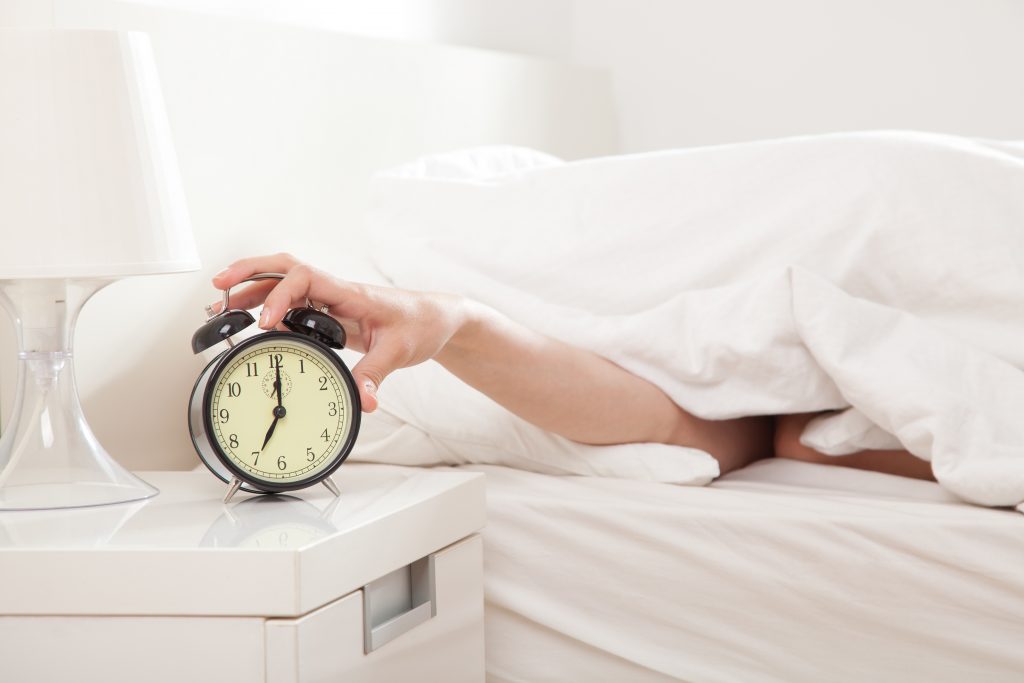
Adjusting or programming your air conditioner to maintain the best room temperature to sleep in is key to improving your sleep quality, of course this varies from person to person, but it is recommended that you set your thermostat somewhere between 20 and 24°C. In the industry any temperature within this range is classed as comfort cooling, which of course is self explanatory. There will be other variables that affect your decision though, for example, you may prefer thicker bedding or nightwear and a lower temperature or vice versa.

What is sleep mode in my air conditioner?

kdFOkLFoU1EzCmyIl6DK AdobeStock 451431256

If you air conditioner comes equipped with this function, your room temperature will automatically be regulated to keep you comfortable through the different stages of sleep, decreasing or increasing room temperature in line with your body’s natural sleep cycle.

This also ensures that your AC system is working economically, so you can rest assured that you are helping to keep your energy bills low.


Evergreen Air Conditioning Limited provide air conditioning services to suit all budgets and applications. For expert advice on installation, maintenance, or emergency repair of an AC system in your home or workplace, please contact our specialist team.


Who Invented the AC Unit?

kIFLvskPrQ7cRkBHneyA AdobeStock 108346801

Air conditioning, once considered a luxury afforded only by the wealthy, has in modern times become more commonplace, and indeed part of everyday life.

In countries where extreme heat, humidity or pollution pose a threat to life, it is considered a necessity.

Here in the UK, we have recently seen soaring summer temperatures resulting in a dramatic increase in demand. During the pandemic, the government requested that where possible we should work from home, further highlighting the need for domestic AC.

With scientific and technological advancements (and the brain power of some very clever individuals), we are now able to control surrounding temperature at the touch of a button and air conditioning has become accessible to all.

It is clear that the invention of the modern-day air conditioner is not as the result of a single invention, but the result a series of exciting discoveries along the way, here we take a closer look into its history and attempt to answer some of the most asked questions about this important discovery…….

Why was air conditioning invented and when?

h4ZApLtZvtDDTD7ZKyin AdobeStock 43311513

Delving back into history we can see that evaporative cooling techniques have been used for many years. Evaporative cooling is the conversion of liquid water into vapour using the thermal energy in the air.

It is well documented that centuries ago the Ancient Egyptians used this method to reduce the temperature inside their buildings. Sodden cloths or reeds were hung in doorways and windows, and as the warm air passed through them the liquid would evaporate. This process reduced the temperature of the surrounding air.

Clay pots (qullah) filled with water were also strategically placed in rooms. The intense heat would cause the water to evaporate and produce a cooling effect. If you were lucky enough to be rich, you could employ a slave to waft the cool air in your direction!

Other examples of where evaporative cooling techniques have been utilised thoughout history, and indeed are still being used today are mashrabiya (specially designed lattice windows) and windcatchers (a chimney like structure).

This is a very simple, cheap, and relatively effective technique, but is very dependent on climate conditions and location. Although evaporative cooling systems differ from modern day AC systems it was from here we could perhaps consider the concept of the air conditioner was born.

Who invented air conditioning as we know it today?

Over the years there had been many attempts to find other viable solutions to cool and control temperature. The need for cooling was not a problem that was just going to go away and there was increasing demand for temperature control on a larger more efficient scale.

Of course, there were many contributors to the development of air conditioning, for example we have discussed how the Egyptians utilised evaporative cooling, however it appears that the USA led the way in modern cooling techniques and four individuals in particular seemed to be held in high esteem, when it came to solving the problem of heat.

John Gorrie

MVVoaTezLv4tcWHCZPSN AdobeStock 234263025

In 1842 Dr John Gorrie was a resident physician at two hospitals in Florida. Specialising in the care and treatment of tropical diseases, his research led him to believe that temperature paid a key role in the treatment and prevention of certain diseases. 

He devised a crude system to keep the hospital cool. By suspending basins from the ceilings filled with blocks of ice he was able to cool the sick rooms, helping to reduce fever. This was a simple enough solution, but it caused a big problem, as in order to maintain cool temperatures in the hospitals, the ice needed to be shipped in large quantities from a long distance away.

So convinced of his hypothesis that cool temperatures were key to disease control and prevention, John Gorrie decided to give up his medical career to concentrate on inventing other artificial cooling techniques.

This he did to a degree of success as in 1851 he was granted patent for the invention of a new and useful Machine for the Artificial Production of Ice and General Refrigeratory Purpose.

Unfortunately following the death of his financial partner Gorrie failed to get his invention off the ground and he sadly died alone and penniless.

Although Gorrie was not widely hailed as ‘the’ inventor of the air conditioner, without a doubt his invention played a key part in its development.

Willis Carrier

UVu9jsNxmR0tK7HnxY38 AdobeStock 185804829

In 1901 a bright young engineer, Willis Carrier, graduated from Cornell University with a Master of Engineering degree.

He quickly secured a position at the Buffalo Forge Company, and the following year was given the task of solving a humidity problem for a publishing company which was causing poor print quality of their magazines.

Carrier conducted various experiments and eventually came up with an innovative system to control the humidity. His invention the “Apparatus for Treating Air” was the birth of modern-day AC, and a patent was secured.

Realising its potential to be something ‘big’ Carrier continued to experiment and refine his invention and soon devised and patented an automatic control system for regulating humidity and temperature that could benefit many industries.

He eventually broke off from Buffalo Forge, forming the phenomenally successful Carrier Engineering Corporation with six other engineers.

Despite these exciting advancements in design and efficiency these AC systems were huge, bulky pieces of equipment and not very practical, especially for domestic use, so it was back to the drawing board once again….

HH Schultz and JQ Sherman 

cpWoIFQD35JSdsKJLJBh AdobeStock 349566244

In 1931, H.H. Schultz and J.Q. Sherman developed and patented an air conditioner designed to sit on a window ledge. Unfortunately, the units were very expensive, and during a time of economic and political crisis, it was a luxury out of reach for most.

However, Schultz and Sherman’s innovative invention set a precedent for future window air conditioners. New patents soon sprang up for smaller, compact and less inexpensive versions.

During the 1950’s post war economic boom domestic AC units became very desirable. In the years that followed their popularity exploded, it is reported that across the United States of America over a million units were sold in 1953.

Compared to the USA, the UK’s demand for domestic cooling has had a slow start. However, with recent spikes in summer temperatures, a growing “working from home” culture and the latest trends in building design, there has been considerable growth in this market.

What about the future of AC?

7Y5fcc4tAm0OxlGDMqXK AdobeStock 183726574

This article would simply be too long if we touched on every invention and development throughout the history of the air conditioner, so here we have mentioned some of the ‘key players’ whose innovative ideas have contributed to the air conditioner as we know it today.

Since its humble beginnings there have been many advancements in the design and technology of the air conditioner.

From single mini split systems to highly complex VRF systems, efficient and affordable heating and cooling can now be enjoyed at the touch of a button in a variety of domestic and commercial settings.

However, the story does not end there…..

Demand is on the increase, and the customer is ever changing in its requirements. Whether the hot topic is environmental impact, energy efficiency, aesthetics or smart technology ….. the industry continues to evolve and adapt to deliver solutions.

Evergreen Air Conditioning Limited provide AC services to suit all budgets and applications. For expert advice on installation, maintenance, or emergency repair of an AC system in your home or workplace, please contact our specialist team. 

Evergreen expand to Hertford!

We are very excited to announce that, following the continued success and growth of Evergreen, we have recently acquired new premises, in Cole Green, Hertford (Hertfordshire).

For many years we have been operating out of our Wickford office providing air conditioning installation, and related services, to Essex and beyond, and opening a second office is something we have been discussing for some time.

1.1
2.2

It has been a busy few weeks, purchasing and assembling the furniture and making sure that we have everything we need in one place.

It has quite literally been all hands-on deck, even Maggie the office canine, and head of security, has been shifting cardboard boxes back and forth (and tearing up a fair amount of them too!)

Our new office is a beautiful, listed building, which has been carefully renovated to keep its existing features whilst a providing bright, spacious, and welcoming place to run our business from.

Time for a break and some well-earned refreshment!

Ideally located in a rural setting just outside of Hertford, we are now perfectly positioned to offer our air conditioning services throughout Hertfordshire, with the added bonus of a beautiful setting with plenty of car parking for visitors and staff alike.

If you are based in Herts and are interested in having domestic or commercial air conditioning installed, or you need to book a service or maintenance visit, please drop us a line.

Or if you happen to be passing, do call in for a cup of coffee at our Hertford office, we would love to show you around!

3

AIR CONDITIONER INSTALLERS……

A STEP BY STEP GUIDE TO HIRING THE BEST

An air conditioner is a highly complex appliance and the installation process involves careful and meticulous planning so that your home or business has sufficient heating and cooling functionality for your individual needs. This is why it is of upmost importance to choose the right air conditioning installer who has the experience, qualifications and expertise to guide you through the process.

Follow our simple step by step guide, to help you choose the right air conditioning installer for you ……

STEP 1: EXPERIENCE IS KEY

When looking for an air con installer it is imperative that you choose a company that has the relevant experience and expertise, excellent client satisfaction, and also are up to date with the current trends and ever changing regulations.

As a bench mark we would recommend that you search for air conditioner installers that are well established, ideally for more than 5 years (this is a very competitive industry and over 80% of businesses will fail to reach this landmark).

Evergreen Environmental were established in 2010, and our board of directors have over 72 years of combined experience in air conditioning installations and related services. We employ a dedicated team of highly qualified and experienced specialist engineers.

STEP 2: VERIFY CREDENTIALS

You must ensure that your chosen air conditioning installer is fully compliant and up to date with industry & governmental standards, and that they have sufficient liability insurance for your protection.

Evergreen Environmental the air conditioning professionals in Essexare SafeContractor approved. We are F-Gas registered and are partnered and accredited with the leading manufacturers Mitsubishi Electric and Daikin, as well as other well respected manufacturers in the field. All of our highly trained engineers are Gas Safe registered and fully certified.

STEP 3: ASK FOR RECOMMENDATIONS

In the same way that an employer asks for references to employ a new recruit, you can hire an air conditioning professional using the same method. Start by collecting suggestions from your friends and family for the best HVAC Company in your area. Check out online reviews and directories listing businesses.

Evergreen Environmental are proud to have successfully been delivering projects to the highest of standards since 2010. Installations can range from a single wall mounted air conditioning unit, to multiple VRF in multi-storey buildings. Projects are carried out in a variety of domestic and commercial settings. We value each and every one of our Clients and we take great satisfaction in the fact that our Clients do not hesitate to recommend us, and a large proportion of our installations are repeat business.

STEP 4: REQUEST AN ESTIMATE

You may have in mind a rough budget for what you require but whilst it is always tempting to save money and go with the lowest price, it is important to have a complete understanding of what you are getting for your money. Ask for estimates from various companies and compare each bid. Only consider estimates from companies that are the most suitably qualified and experienced for the work. Eventually, this will save you time and money.

Evergreen offer free site surveys, advice and quotations to all clients. During the air conditioning site survey, the installer will carefully consider your individual needs and tailor your installation to this. Our expertise enables us to compose the best air conditioning solution for each client.

STEP 5: CHOOSE YOUR AIR CONDITIONING INSTALLATION SPECIALIST

Several companies offer air conditioning services, and nearly all claim to be the best. By following the simple points above and taking time to do your research, you will ultimately save time and money, and hopefully feel more confident in your final choice.

Evergreen Environmental are specialist air conditioning installers based in Essex, covering London, Essex and The Home Counties. We are an established and growing company. We take pride in our excellent reputation within the industry for the quality of our installations and level of service.

Our experienced team would be happy to assist you, so please contact us today on 08081 781 678 for your free quotation.

Alternatively you can email us at enquiries@evergreenac.co.uk or complete the online form to receive a response within 24 hours.